
Wet Timing Belts
So, as we were just chatting about car tech, let's zoom in on something a bit different from the usual timing belt setup: the wet belt.
Imagine the standard timing belt, the unsung hero that keeps your engine's top and bottom halves playing nicely together. Usually, it's a robust, toothed rubber belt living outside the oily innards of the engine, often under a protective cover.
Now, picture this: instead of that 'dry' existence, a wet belt takes a plunge inside the engine. Yep, it's designed to run fully immersed in the engine oil, right there with all the other lubricated components.
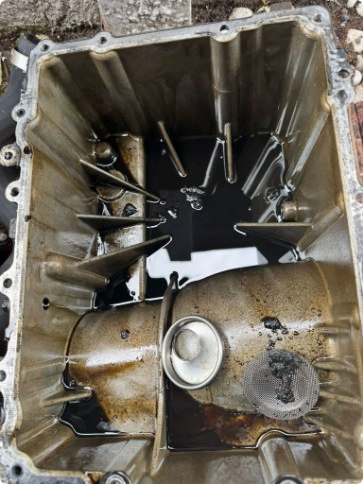
What's the same and what's different:
- The Job's the Same: Just like its dry cousin, this belt makes sure the crankshaft (the bit doing the turning at the bottom) and the camshaft(s) (the bit that opens and closes the valves up top) are perfectly in sync. No synchronisation, no happy engine!
- The Big Twist: It's swimming in oil! These belts are made of special stuff that can handle the constant oil bath.
Why did the engineers come up with this idea?
- Maybe a bit less friction because of the oil.
- Potentially a quieter engine.
- The idea is that being bathed in oil could make it last longer.
However, there are a few potential downsides:
- Living in oil and dealing with engine heat can actually make the belt material break down over time.
- As it wears, tiny bits of the belt can end up floating around in the oil, which isn't ideal for the engine's health. These bits could potentially clog things up.
- Getting to a wet belt to replace it is often more involved than swapping a regular timing belt.
So, in short, a wet belt is a timing belt that's designed to operate inside the engine's oil system. It's a different approach to engine timing with its own set of potential pros and cons.